Camino del Norte: Spain’s Northern Coast to Santiago
Galicia, Walking & Cycling Holidays in Spain
44 days / 43 nights
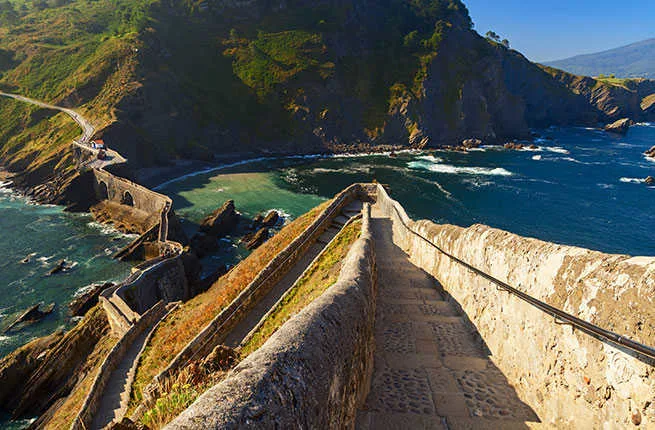
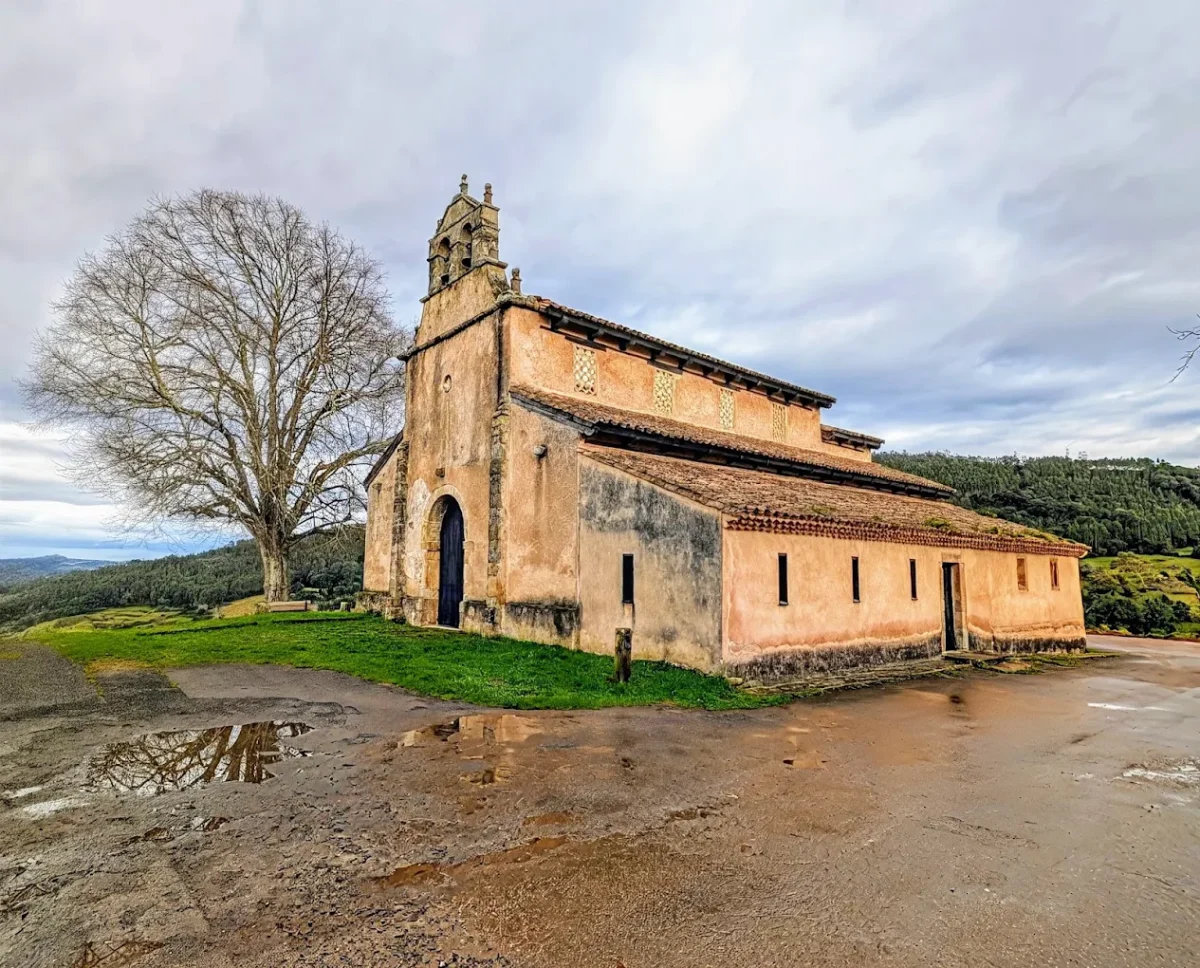
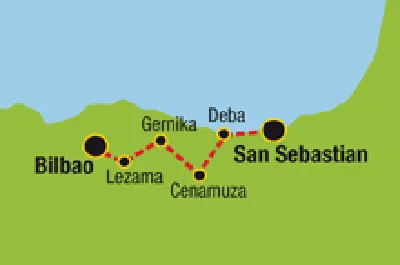
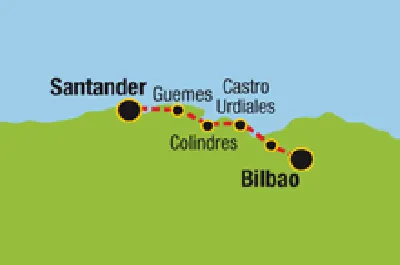
Tour Gallery Viewer
Price On Request
44 days / 43 nights
- Selected 2-3 star hotels, traditional country inns, and guesthouses on a twin-share basis with private en-suite facilities
- Daily breakfast included (except in Bustio on Stage 3, where local cafes are recommended)
- Daily hotel-to-hotel luggage transportation (1 bag per person, max 20 kg)
- Comprehensive walking notes and route maps in English, city maps for major towns, downloadable GPX data, and a 24-hour emergency hotline
- Strategic vehicle transfers on remote Galician and Cantabrian stages
Introduction
Walk the wild northern coast of Spain from San Sebastian to Santiago.
Follow one of the most spectacular routes to Santiago de Compostela on the Camino del Norte, a rewarding pilgrimage along Spain's rugged northern coast.
Beginning in San Sebastian, the route traces the Cantabrian Sea through the Basque Country, Cantabria and Asturias before turning inland through Galicia. Expect a constantly changing landscape of clifftop trails, broad beaches, fishing villages, green hills, river estuaries and distant mountain views, with the Picos de Europa forming a dramatic backdrop along the way.
The Camino del Norte is as rich culturally as it is scenic. Walk between celebrated food cities such as San Sebastian and Bilbao, discover beautifully preserved medieval towns including Santillana del Mar, encounter Gaudí architecture in Comillas, and pass historic churches, monasteries and traditional villages before joining the Camino Frances at Arzúa for the final approach to Santiago.
Daily stages generally range from 20 to 25km across coastal paths, country lanes, woodland trails and rolling terrain. More demanding than some Camino routes, the Northern Way rewards the effort with quieter trails, extraordinary scenery and a strong sense of journey across four distinct regions of Spain.
With pre-booked en-suite accommodation, daily luggage transfers, route information and 24-hour emergency support included, you can walk with just a daypack and experience the Camino at your own pace.
The itinerary can also be tailored around your travel plans, with the option to walk the full route or choose a shorter section, add rest days or extend your stay before or after the Camino.
- Spain's Wild Northern Coast: Walk above dramatic cliffs, sandy beaches and fishing harbours with the Cantabrian Sea never far away.
- San Sebastian & Bilbao: Begin among two of northern Spain's great cultural and gastronomic cities, renowned for pintxos, architecture and vibrant waterfronts.
- Four Distinct Regions: Experience the changing landscapes, traditions and cuisine of the Basque Country, Cantabria, Asturias and Galicia. Art,
- Architecture & Historic Towns: Discover Bilbao's Guggenheim Museum, Gaudí's El Capricho in Comillas and the medieval streets of Santillana del Mar.
- Pilgrimage Heritage: Pass ancient churches, monasteries and rural chapels before joining the Camino Frances for the final walk into Santiago.
- Arrival in Santiago: Complete your journey on foot at the Cathedral of Santiago de Compostela, the traditional culmination of the Camino.
At A Glance
Tour Type
Self Guided
Duration
44 days / 43 nights
Activity Days
38 days
Level
Moderate to Challenging
Avg. Daily Distance
22 km
Most Enjoyable Months
may, jun, sep, oct
Arrival/Departure Town
San Sebastián / Santiago de Compostela
Journey Highlights

San Sebastián
Stroll the Playa de la Concha and sample world-famous pintxos in Spain's culinary capital.

Guggenheim Museum Bilbao
Marvel at iconic modern art and architectural genius in the heart of the Basque Country.

Santillana del Mar
Explore one of Spain's best-preserved medieval stone villages and its 12th-century Romanesque collegiate church.

Comillas
View Antoni Gaudí's striking El Capricho mansion and the grand Sobrellano Palace.

San Vicente de la Barquera
Take in breathtaking views where coastal estuaries meet the dramatic snow-capped Picos de Europa.

Sobrado dos Monxes
Visit the ancient Galician monastery before joining the French Way in Arzúa.

Santiago de Compostela Cathedral
Complete your journey at the iconic Cathedral, witnessing the noon Pilgrim Mass and swinging Botafumeiro.
Brief Itinerary
Day
Route
Meals
Distance
Elevation
Time
Activity
Day 1
Arrival in San Sebastián
-
Check In
Day 2
San Sebastián to Getaria
B
25 km | 16 mi
Walking
Day 3
Getaria to Deba
B
18 km | 11 mi
Walking
Day 4
Deba to Markina
B
23 km | 15 mi
Walking
Day 5
Markina to Gernika
B
25 km | 16 mi
Walking
Day 6
Gernika to Lezama
B
20 km | 13 mi
Walking
Day 7
Lezama to Bilbao
B
14 km | 9 mi)
Walking
Day 8
Rest day in Bilbao
B
Rest Day
Day 9
Bilbao to Portugalete
B
20 km | 13 mi)
Walking
Day 10
Portugalete to Castro Urdiales
B
27 km | 17 mi
Walking
Day 11
Castro Urdiales to Liendo
B
24 km | 15 mi
Walking
Day 12
Liendo to Noja
B
25 km | 16 mi
Walking
Day 13
Noja to Galizano
B
21 km | 13 mi
Walking
Day 14
Galizano to Santander
B
11 km | 6.8 mi
Walking + Boat
Day 15
Rest day in Santander
B
Rest Day
Day 16
Transfer Santander to Ermita Virgen del Monte and walk to Santillana del Mar
B
19 km | 12 mi
Walking
Day 17
Santillana del Mar to Comillas
B
23 km | 15 mi
Walking
Day 18
Comillas to San Vicente de la Barquera
B
12 km | 8 mi
Walking
Day 19
San Vicente de la Barquera to Bustio
-
17 km | 11 mi
Walking
Day 20
Bustio to Llanes
-
25 km | 16 mi
Walking
Day 21
Llanes to Ribadesella
B
23 km | 15 mi
Walking
Day 22
Ribadesella to Colunga
B
21 km | 13 mi
Walking
Day 23
Colunga to Villaviciosa
B
18 km | 12 mi
Walking
Day 24
Villaviciosa to Gijón
B
28 km | 18 mi
Walking
Day 25
Rest day in Gijón
B
Rest Day
Day 26
Gijón to Avilés
B
25 km | 16 mi
Walking
Day 27
Avilés to Muros de Nalón
B
23 km | 15 mi
Walking
Day 28
Muros de Nalón to Soto de Luiña
B
15 km | 10 mi
Walking
Day 29
Soto de Luiña to Cadavedo
B
19 km | 12 mi
Walking
Day 30
Cadavedo to Luarca
B
15 km | 9 mi
Walking
Day 31
Luarca to Navia
B
20 km | 13 mi
Walking
Day 32
Navia to Tapia de Casariego
B
21 km | 13 mi
Walking
Day 33
Tapia de Casariego to Ribadeo
B
12 km | 8 mi
Walking
Day 34
Rest day in Ribadeo
B
Rest Day
Day 35
Ribadeo to Villamartín Grande then transfer back to Ribadeo
B
18 km | 12 mi
Walking
Day 36
Transfer to Villamartín Grande and then walk to Mondoñedo
B
18 km | 12 mi
Walking
Day 37
Mondoñedo to Abadín and then transfer to Mondoñedo
B
17 km | 11 mi
Walking
Day 38
Transfer to Abadín and then walk to Vilalba then transfer to Abadín
B
21 km | 13 mi
Walking
Day 39
Vilalba to Seixón and then transfer to Friol
B
31 km | 20 mi
Walking
Day 40
Transfer to Seixón and then walk to Sobrado dos Monxes
B
33 km | 21 mi
Walking
Day 41
Sobrado dos Monxes to Arzúa
B
22 km | 14 mi
Walking
Day 42
Arzúa to Rúa
B
20 km | 13 mi
Walking
Day 43
Rúa to Santiago de Compostela
B
21 km | 13 mi
Walking
Day 44
Departure from Santiago
B
Check Out
Day 1
Arrival in San Sebastián
Day 1
Arrival in San Sebastián
Meals
-
Distance
Elevation
Time
Activity
Check In
Day 2
San Sebastián to Getaria
Day 2
San Sebastián to Getaria
Meals
B
Distance
25 km | 16 mi
Elevation
Time
Activity
Walking
Day 3
Getaria to Deba
Day 3
Getaria to Deba
Meals
B
Distance
18 km | 11 mi
Elevation
Time
Activity
Walking
Day 4
Deba to Markina
Day 4
Deba to Markina
Meals
B
Distance
23 km | 15 mi
Elevation
Time
Activity
Walking
Day 5
Markina to Gernika
Day 5
Markina to Gernika
Meals
B
Distance
25 km | 16 mi
Elevation
Time
Activity
Walking
Day 6
Gernika to Lezama
Day 6
Gernika to Lezama
Meals
B
Distance
20 km | 13 mi
Elevation
Time
Activity
Walking
Day 7
Lezama to Bilbao
Day 7
Lezama to Bilbao
Meals
B
Distance
14 km | 9 mi)
Elevation
Time
Activity
Walking
Day 8
Rest day in Bilbao
Day 8
Rest day in Bilbao
Meals
B
Distance
Elevation
Time
Activity
Rest Day
Day 9
Bilbao to Portugalete
Day 9
Bilbao to Portugalete
Meals
B
Distance
20 km | 13 mi)
Elevation
Time
Activity
Walking
Day 10
Portugalete to Castro Urdiales
Day 10
Portugalete to Castro Urdiales
Meals
B
Distance
27 km | 17 mi
Elevation
Time
Activity
Walking
Day 11
Castro Urdiales to Liendo
Day 11
Castro Urdiales to Liendo
Meals
B
Distance
24 km | 15 mi
Elevation
Time
Activity
Walking
Day 12
Liendo to Noja
Day 12
Liendo to Noja
Meals
B
Distance
25 km | 16 mi
Elevation
Time
Activity
Walking
Day 13
Noja to Galizano
Day 13
Noja to Galizano
Meals
B
Distance
21 km | 13 mi
Elevation
Time
Activity
Walking
Day 14
Galizano to Santander
Day 14
Galizano to Santander
Meals
B
Distance
11 km | 6.8 mi
Elevation
Time
Activity
Walking + Boat
Day 15
Rest day in Santander
Day 15
Rest day in Santander
Meals
B
Distance
Elevation
Time
Activity
Rest Day
Day 16
Transfer Santander to Ermita Virgen del Monte and walk to Santillana del Mar
Day 16
Transfer Santander to Ermita Virgen del Monte and walk to Santillana del Mar
Meals
B
Distance
19 km | 12 mi
Elevation
Time
Activity
Walking
Day 17
Santillana del Mar to Comillas
Day 17
Santillana del Mar to Comillas
Meals
B
Distance
23 km | 15 mi
Elevation
Time
Activity
Walking
Day 18
Comillas to San Vicente de la Barquera
Day 18
Comillas to San Vicente de la Barquera
Meals
B
Distance
12 km | 8 mi
Elevation
Time
Activity
Walking
Day 19
San Vicente de la Barquera to Bustio
Day 19
San Vicente de la Barquera to Bustio
Meals
-
Distance
17 km | 11 mi
Elevation
Time
Activity
Walking
Day 20
Bustio to Llanes
Day 20
Bustio to Llanes
Meals
-
Distance
25 km | 16 mi
Elevation
Time
Activity
Walking
Day 21
Llanes to Ribadesella
Day 21
Llanes to Ribadesella
Meals
B
Distance
23 km | 15 mi
Elevation
Time
Activity
Walking
Day 22
Ribadesella to Colunga
Day 22
Ribadesella to Colunga
Meals
B
Distance
21 km | 13 mi
Elevation
Time
Activity
Walking
Day 23
Colunga to Villaviciosa
Day 23
Colunga to Villaviciosa
Meals
B
Distance
18 km | 12 mi
Elevation
Time
Activity
Walking
Day 24
Villaviciosa to Gijón
Day 24
Villaviciosa to Gijón
Meals
B
Distance
28 km | 18 mi
Elevation
Time
Activity
Walking
Day 25
Rest day in Gijón
Day 25
Rest day in Gijón
Meals
B
Distance
Elevation
Time
Activity
Rest Day
Day 26
Gijón to Avilés
Day 26
Gijón to Avilés
Meals
B
Distance
25 km | 16 mi
Elevation
Time
Activity
Walking
Day 27
Avilés to Muros de Nalón
Day 27
Avilés to Muros de Nalón
Meals
B
Distance
23 km | 15 mi
Elevation
Time
Activity
Walking
Day 28
Muros de Nalón to Soto de Luiña
Day 28
Muros de Nalón to Soto de Luiña
Meals
B
Distance
15 km | 10 mi
Elevation
Time
Activity
Walking
Day 29
Soto de Luiña to Cadavedo
Day 29
Soto de Luiña to Cadavedo
Meals
B
Distance
19 km | 12 mi
Elevation
Time
Activity
Walking
Day 30
Cadavedo to Luarca
Day 30
Cadavedo to Luarca
Meals
B
Distance
15 km | 9 mi
Elevation
Time
Activity
Walking
Day 31
Luarca to Navia
Day 31
Luarca to Navia
Meals
B
Distance
20 km | 13 mi
Elevation
Time
Activity
Walking
Day 32
Navia to Tapia de Casariego
Day 32
Navia to Tapia de Casariego
Meals
B
Distance
21 km | 13 mi
Elevation
Time
Activity
Walking
Day 33
Tapia de Casariego to Ribadeo
Day 33
Tapia de Casariego to Ribadeo
Meals
B
Distance
12 km | 8 mi
Elevation
Time
Activity
Walking
Day 34
Rest day in Ribadeo
Day 34
Rest day in Ribadeo
Meals
B
Distance
Elevation
Time
Activity
Rest Day
Day 35
Ribadeo to Villamartín Grande then transfer back to Ribadeo
Day 35
Ribadeo to Villamartín Grande then transfer back to Ribadeo
Meals
B
Distance
18 km | 12 mi
Elevation
Time
Activity
Walking
Day 36
Transfer to Villamartín Grande and then walk to Mondoñedo
Day 36
Transfer to Villamartín Grande and then walk to Mondoñedo
Meals
B
Distance
18 km | 12 mi
Elevation
Time
Activity
Walking
Day 37
Mondoñedo to Abadín and then transfer to Mondoñedo
Day 37
Mondoñedo to Abadín and then transfer to Mondoñedo
Meals
B
Distance
17 km | 11 mi
Elevation
Time
Activity
Walking
Day 38
Transfer to Abadín and then walk to Vilalba then transfer to Abadín
Day 38
Transfer to Abadín and then walk to Vilalba then transfer to Abadín
Meals
B
Distance
21 km | 13 mi
Elevation
Time
Activity
Walking
Day 39
Vilalba to Seixón and then transfer to Friol
Day 39
Vilalba to Seixón and then transfer to Friol
Meals
B
Distance
31 km | 20 mi
Elevation
Time
Activity
Walking
Day 40
Transfer to Seixón and then walk to Sobrado dos Monxes
Day 40
Transfer to Seixón and then walk to Sobrado dos Monxes
Meals
B
Distance
33 km | 21 mi
Elevation
Time
Activity
Walking
Day 41
Sobrado dos Monxes to Arzúa
Day 41
Sobrado dos Monxes to Arzúa
Meals
B
Distance
22 km | 14 mi
Elevation
Time
Activity
Walking
Day 42
Arzúa to Rúa
Day 42
Arzúa to Rúa
Meals
B
Distance
20 km | 13 mi
Elevation
Time
Activity
Walking
Day 43
Rúa to Santiago de Compostela
Day 43
Rúa to Santiago de Compostela
Meals
B
Distance
21 km | 13 mi
Elevation
Time
Activity
Walking
Day 44
Departure from Santiago
Day 44
Departure from Santiago
Meals
B
Distance
Elevation
Time
Activity
Check Out
Daily Journey Highlights
Day 1
Arrival in San Sebastián
Day 1
Arrival in San Sebastián
Arrive in San Sebastián, one of northern Spain’s most elegant coastal cities and a superb place to begin your Camino del Norte journey.
Set on the Bay of Biscay, the city is framed by La Concha and Ondarreta beaches, with a lively old town filled with historic churches, atmospheric streets and the arcaded Plaza de la Constitución. Spend the evening exploring its renowned food scene and sampling pintxos in the bars of the Parte Vieja.
You can also choose to begin your Camino in Irún, the traditional starting point of the Camino del Norte, or in nearby Hondarribia on the coast. This adds one night to the itinerary, with luggage transfer included. The walk from Irún to San Sebastián is approximately 27 km with 290 m of elevation gain; starting in Hondarribia shortens the stage by around 6 km.
A Parador stay in Hondarribia can also be arranged for an additional supplement and should be requested at the time of booking.

Day 2
San Sebastián to Getaria (25 km | 16 mi)
Day 2
San Sebastián to Getaria (25 km | 16 mi)
High Point: ~300m | Terrain: Coastal trails with climbs.
Leave San Sebastián and follow the Camino along the coast towards Orio, tackling a series of smaller climbs before descending to Zarautz. From here, follow the seaside promenade towards Getaria, a historic fishing village and the birthplace of fashion designer Cristóbal Balenciaga.
Take time to enjoy the harbour, climb San Antón for panoramic coastal views, or relax with a glass of local txakoli wine after a rewarding first day on the Camino.

Day 3
Getaria to Deba (18 km | 11 mi)
Day 3
Getaria to Deba (18 km | 11 mi)
High Point: ~290m | Terrain: Undulating coastal trails with steady climbs.
Today's stage follows a demanding but scenic route through rolling coastal terrain and quieter inland sections.
Climb through the hills towards the sanctuary of Santa María de Itziar, an important landmark on the Camino del Norte, before beginning the descent towards Deba.
Finish beside the Cantabrian Sea in this attractive coastal town, with its broad beach and sweeping views along the rugged Basque coastline.

Day 4
Deba to Markina (23 km | 15 mi)
Day 4
Deba to Markina (23 km | 15 mi)
High Point: ~490m | Terrain: Challenging with frequent climbs and descents.
Leave the coast behind and head inland into the Arnoate mountains, where today's stage reveals a more rural side of the Basque Country.
The route rises and falls through forest, pastureland and quiet valleys, passing traditional farmhouses and small villages along the way. After the Valle de Olatz, tackle the steep climb to Alto de Arno before continuing through peaceful countryside towards Markina-Xemein.
This is a demanding but rewarding day, with classic Basque landscapes accompanying you throughout.

Day 5
Markina to Gernika (25 km | 16 mi)
Day 5
Markina to Gernika (25 km | 16 mi)
High Point: ~360m | Terrain: Undulating with sustained climbs and a steep descent.
Follow quiet country lanes and woodland paths through rural Basque countryside, with frequent climbs and descents throughout the day.
After Bolibar, ascend towards the Monastery of Zearruza (Ziortza), one of the historic landmarks of the Camino del Norte. From here, continue through forested hills before a sharper descent towards the river valley.
Finish in Gernika, set within the Urdaiabi Biosphere Reserve and one of the Basque Country's most historically significant towns.

Day 6
Gernika to Lezama (20 km | 13 mi)
Day 6
Gernika to Lezama (20 km | 13 mi)
Distance: 20 km | High Point: ~340m | Terrain: Challenging with frequent climbs and descents.
Continue inland through the hills and valleys of Biscay, following forest tracks and quiet rural lanes past farmhouses, meadows and small villages.
The toughest climb comes early, with a sustained ascent of around 300 metres over 3 km to Mount Billikario. From here, the route continues across rolling terrain towards Goikolexea.
The final stretch to Lezama is much gentler and largely flat, providing an easier finish after a demanding day.

Day 7
Lezama to Bilbao (14 km | 9 mi))
Day 7
Lezama to Bilbao (14 km | 9 mi))
High Point: ~330m | Terrain: Short but challenging with a sustained climb.
A shorter stage today, but still a rewarding one, with a long, steady ascent towards Mount Avril along an old medieval route.
From the high ground, enjoy sweeping views over Bilbao and the surrounding valley before descending past the Basilica de Begoña into the historic centre.
Bilbao is one of northern Spain's great cultural cities, with excellent food, lively neighbourhoods and world-class museums, including the Frank Gehry-designed Guggenheim. It is also an ideal place to add an optional rest day.

Day 8
Rest day in Bilbao
Day 8
Rest day in Bilbao

Day 9
Bilbao to Portugalete (20 km | 13 mi))
Day 9
Bilbao to Portugalete (20 km | 13 mi))
Distance: 20 km | Terrain: Urban and riverside walking with one steep climb.
Leave Bilbao and follow the Camino through the city's historic industrial districts before joining quieter paths beside the Cadagua River.
Cross the historic Devil's Bridge and continue towards the hermitage of Santa Águeda, where the route begins a steep climb to Barakaldo. From here, the walking becomes easier as you follow a riverside path along the Galindo River.
Finish in Portugalete, an important port town on the Nervión estuary and a natural gateway to the next coastal section of the Camino del Norte.

Day 10
Portugalete to Castro Urdiales (27 km | 17 mi)
Day 10
Portugalete to Castro Urdiales (27 km | 17 mi)
Leave the coast briefly and climb inland towards Otañes, where the higher ground opens up views back towards the rugged Cantabrian shoreline.
From here, the Camino follows forest tracks through quieter countryside towards Robredal and the Church of San Nicolás before turning back towards the sea.
Finish in Castro Urdiales, entering the town past the beach and bullring. This attractive coastal stop blends medieval landmarks with a lively modern waterfront and makes a rewarding end to the day.

Day 11
Castro Urdiales to Liendo (24 km | 15 mi)
Day 11
Castro Urdiales to Liendo (24 km | 15 mi)
Follow the Camino along a spectacular stretch of the Cantabrian coast, passing a medieval castle and lighthouse before continuing above dramatic sea cliffs.
The route then turns inland towards Guriezo and Rioseco, passing the Chapel of Santa Isabel before crossing the River Agüera and continuing to the Church of La Magdalena.
From Guriezo, the Camino carries on through quieter countryside towards Liendo, where you settle in for the night.

Day 12
Liendo to Noja (25 km | 16 mi)
Day 12
Liendo to Noja (25 km | 16 mi)
From Liendo, choose between two routes towards Laredo: one crossing the valley via Hazas and the Church of Nuestra Señora de Liendo, or a higher path past the Chapel of San Julián.
Continue into Laredo, known for its long beach, medieval old quarter and lively waterfront. From here, follow the maritime route to El Puntal and take the ferry across to Santoña.
The Camino then continues past Berria Beach, over Mount Brusco and along Trengandin Beach before a final short climb into Noja.
The ferry to Santoña is payable locally.

Day 13
Noja to Galizano (21 km | 13 mi)
Day 13
Noja to Galizano (21 km | 13 mi)
Continue through the quiet Cantabrian countryside, passing the villages of Arnuero and Molino de Bareyo on the way to Galizano.
The route alternates between rural lanes, farmland and small village roads before reaching this peaceful town set just inland from the coast.
Galizano is close to a beautiful sandy beach, making it an ideal place to relax after the day's walk.

Day 14
Galizano to Santander (11 km | 6.8 mi)
Day 14
Galizano to Santander (11 km | 6.8 mi)
Follow coastal cliff paths to Somo and board the local passenger boat across the Bay of Santander into the city center.
From Galizano, choose between the official Camino or a longer coastal alternative, which offers beautiful sea views in good weather.
Continue towards the Bay of Santander and cross by passenger boat into the city. Spend the rest of the day exploring Santander's elegant waterfront, historic centre, cathedral, Sardinero Beach and Magdalena Palace.
In the evening, enjoy the city's lively food scene and sample local Cantabrian specialities before continuing your Camino tomorrow.

Day 15
Rest day in Santander
Day 15
Rest day in Santander

Day 16
Transfer Santander to Ermita Virgen del Monte and walk to Santillana del Mar (19 km | 12 mi)
Day 16
Transfer Santander to Ermita Virgen del Monte and walk to Santillana del Mar (19 km | 12 mi)
Begin with an included taxi transfer to Mogro-Ermita Virgen del Monte, shortening what would otherwise be a much longer stage.
From here, follow quiet country roads and village paths through Miengo, Cudón, Requejada, Viveda and Camplengo before reaching Santillana del Mar.
This beautifully preserved medieval town is one of the standout stops on the Camino del Norte, with stone streets, historic towers, Renaissance palaces and the Romanesque Collegiate Church of Santa Juliana.

Day 17
Santillana del Mar to Comillas (23 km | 15 mi)
Day 17
Santillana del Mar to Comillas (23 km | 15 mi)
Continue west through open Cantabrian countryside, where quiet local roads cross rolling green fields and small villages including Oreña, Cóbreces, Trasierra and La Iglesia.
The route is gently undulating, with broad rural views and church towers punctuating the landscape as you make your way back towards the coast.
Finish in Comillas, an elegant seaside town known for its remarkable architecture, including the Sobrellano Palace, the Pontifical University and Gaudí's striking El Capricho.

Day 18
Comillas to San Vicente de la Barquera (12 km | 8 mi)
Day 18
Comillas to San Vicente de la Barquera (12 km | 8 mi)
Enjoy an easier walking day through rolling countryside, small villages and a series of marshes and estuaries crossed by local bridges.
From the higher sections of the route, take in wide coastal views with the Cantabrian Mountains and the peaks of the Picos de Europa rising in the distance.
Finish in San Vicente de la Barquera, a beautifully situated medieval town with a strong seafaring heritage. Explore its historic centre, including the Church of Santa María de los Ángeles, and enjoy the relaxed waterfront atmosphere before continuing west.

Day 19
San Vicente de la Barquera to Bustio (17 km | 11 mi)
Day 19
San Vicente de la Barquera to Bustio (17 km | 11 mi)
Leave San Vicente de la Barquera and its estuary behind as the Camino turns inland through quieter rural countryside.
Pass through small villages including La Acebosa, Hortigal and Serdio before continuing towards Pesues and Unquera, the final town in Cantabria.
Cross the River Deva to enter Asturias, then continue a short distance to Bustio for the night.
Breakfast is not included in Bustio; your hotel can recommend nearby cafes and local options.

Day 20
Bustio to Llanes (25 km | 16 mi)
Day 20
Bustio to Llanes (25 km | 16 mi)
Today's walk follows mainly paved roads through gently rolling terrain, with moderate climbs and descents along the way.
As you make your way west, enjoy a striking contrast of scenery, with coastal views on one side and the dramatic peaks of the Picos de Europa rising inland.
Finish in Llanes, a lively seaside town with a beautifully preserved historic centre and sections of its medieval walls still intact. Take time to explore the harbour and see the colourful Cubes of Memory installation on the breakwater.
Breakfast is not included this morning, but there are several local cafes and bars in Bustio where you can stop before setting out.

Day 21
Llanes to Ribadesella (23 km | 15 mi)
Day 21
Llanes to Ribadesella (23 km | 15 mi)
Today's longer stage follows gently undulating trails and quiet roads through small villages, open countryside and several historic religious sites.
Along the way, pass beautiful beaches including Palombina, Torimbia and San Antolin before the Camino turns inland through quieter rural landscapes.
Finish in Ribadesella, a lively coastal town known for its long sandy beach and the UNESCO-listed Tito Bustillo Cave, home to remarkable prehistoric cave art. The cave is around 2.2 km return from Plaza de Santa Ana.

Day 22
Ribadesella to Colunga (21 km | 13 mi)
Day 22
Ribadesella to Colunga (21 km | 13 mi)
Leave Ribadesella and head inland before the Camino returns to the coast for one of the final true seaside stretches of the journey.
Walk past a succession of beaches, green headlands and small Asturian villages, with wide views across the Cantabrian Sea along the way.
Finish in Colunga, an attractive market town known for its elegant modernist architecture and grand historic houses.

Day 23
Colunga to Villaviciosa (18 km | 12 mi)
Day 23
Colunga to Villaviciosa (18 km | 12 mi)
Leave the coast behind as the Camino turns inland through greener, more rolling Asturian countryside.
Pass through historic villages including Priesca, home to the 10th-century Church of San Salvador, before continuing through Sebrayo and its Church of Santa María.
Finish in Villaviciosa, a lively town at the heart of Asturias' cider country. Take time to sample local sidra in one of the traditional cider houses and discover the region's rich pre-Romanesque heritage.

Day 24
Villaviciosa to Gijón (28 km | 18 mi)
Day 24
Villaviciosa to Gijón (28 km | 18 mi)
Today is a more demanding stage as the Camino crosses the Asturian interior before returning to the coast, with two notable climbs of around 340m and 200m.
At Casquita, the route divides, with some pilgrims turning towards Oviedo while the Camino del Norte continues west towards Gijón. From here, descend gradually towards the city and the Cantabrian Sea.
Finish in lively Gijón, where you can explore the historic Cimadevilla quarter, stroll along San Lorenzo Beach and discover traces of the city's Roman past.

Day 25
Rest day in Gijón
Day 25
Rest day in Gijón
Enjoy a well-earned rest day in Gijón, with time to relax by the coast and explore the city at your own pace.
Wander through the historic Cimadevilla quarter, stroll along San Lorenzo Beach, visit the Roman baths or simply settle into a local café and enjoy the city's relaxed Asturian atmosphere. It's an ideal place to recharge before continuing west on the Camino.

Day 26
Gijón to Avilés (25 km | 16 mi)
Day 26
Gijón to Avilés (25 km | 16 mi)
High Point: ~190m | Terrain: Mixed urban, rural and woodland paths.
Leave Gijón on a varied stage that initially passes through some industrial and roadside sections before the Camino reaches quieter countryside.
Continue through the Monte Areo recreational area, where a short detour leads to the prehistoric Dolmen de San Pablo. From here, the route becomes more rural as you make your way towards Avilés.
Finish in this historic town, once an important medieval port and now known for its attractive old quarter and distinctive architecture.

Day 27
Avilés to Muros de Nalón (23 km | 15 mi)
Day 27
Avilés to Muros de Nalón (23 km | 15 mi)
Elevation Gain: 560m | Descent: 450m | Terrain: Rolling coastal countryside.
Continue west through a varied Asturian landscape of quiet lanes, traditional villages and frequent but manageable climbs.
Several sections open up to broad views of the Cantabrian coast before the route turns towards the Nalon River. One of the day's standout sights is the hilltop Castle of San Martín, overlooking the river and surrounding countryside.
Finish in Muros de Nalon after a rewarding day of coastal and rural walking.

Day 28
Muros de Nalón to Soto de Luiña (15 km | 10 mi)
Day 28
Muros de Nalón to Soto de Luiña (15 km | 10 mi)
Elevation Gain: 430m | Descent: 540m | Terrain: Gentle rolling countryside.
Leave Muros de Nalon and head inland through peaceful Asturian countryside, following quiet lanes and rolling rural paths towards Soto de Luina.
The stage is relatively short, with steady but manageable climbs and descents. Along the way, pass the elegant La Quinta de Selgas estate and briefly return towards the coast near Concha de Artedo.
Finish in Soto de Luina, a quiet village surrounded by green hills. If you still have energy, San Pedro Beach lies around 2.2km away.

Day 29
Soto de Luiña to Cadavedo (19 km | 12 mi)
Day 29
Soto de Luiña to Cadavedo (19 km | 12 mi)
Elevation Gain: 580m | Descent: 510m | Terrain: Undulating coastal trails.
Follow the Camín Real de las Ballotas on one of the most scenic coastal stages of the Camino del Norte.
The route passes a string of small villages including Albuerne, Novellana, Castañeras, Santa Marina and Ballota, with frequent views across the cliffs and Cantabrian Sea. A highlight is the beautiful Playa del Silencio, one of Asturias' most striking beaches.
After Ballota, descend to cross the River Cabo by an old stone bridge before continuing to Cadavedo, a peaceful village surrounded by green countryside and dramatic coastline.

Day 30
Cadavedo to Luarca (15 km | 9 mi)
Day 30
Cadavedo to Luarca (15 km | 9 mi)
Elevation Gain: 220m | Descent: 300m | Terrain: Mostly gentle with one notable climb.
Enjoy a shorter stage today as the Camino continues through green Asturian countryside towards Luarca.
Cross the River Esva before tackling the day's main climb from El Canero, gaining around 140 metres over 1.6 km. From here, the route becomes gentler as you continue towards the coast.
The final approach rewards you with beautiful views over Luarca, a picturesque fishing town of whitewashed houses, a sheltered harbour and strong maritime character.

Day 31
Luarca to Navia (20 km | 13 mi)
Day 31
Luarca to Navia (20 km | 13 mi)
Leave Luarca and head slightly inland through quiet countryside, following gentle tracks and rural paths between wooded hills and small villages.
Pass through Hervedosas before continuing towards Casa Carmina, where pilgrims can stop for water, then make your way through Villapedre and the surrounding farmland.
Finish in Navia, a lively coastal town with a working harbour and a strong maritime character.

Day 32
Navia to Tapia de Casariego (21 km | 13 mi)
Day 32
Navia to Tapia de Casariego (21 km | 13 mi)
Elevation Gain: 280m | Descent: 280m | Terrain: Gentle coastal walking.
Continue west along a relaxed coastal stage, passing quiet beaches, open countryside and a string of small Asturian villages.
The route offers frequent views across the Cantabrian Sea before reaching Tapia de Casariego, a traditional fishing town with an attractive harbour and strong maritime character.
Settle in for the evening and enjoy a slower pace after another rewarding day on the Camino.

Day 33
Tapia de Casariego to Ribadeo (12 km | 8 mi)
Day 33
Tapia de Casariego to Ribadeo (12 km | 8 mi)
Elevation Gain: 110m | Descent: 100m | Terrain: Easy coastal walking.
Follow one of the final coastal stretches of the Camino del Norte, with sweeping views across cliffs, beaches and the Cantabrian Sea.
Pass Peñaronda Beach and Arnao Beach, known for its natural tidal pool and exposed fossil formations, before continuing towards the River Eo.
Cross into Galicia and arrive in Ribadeo, a lively estuary town marking your transition into the final region of the Camino and a rewarding place to finish the day.

Day 34
Rest day in Ribadeo
Day 34
Rest day in Ribadeo
Enjoy a relaxed day in Ribadeo, set on the estuary where Asturias meets Galicia.
Take time to explore the old town, stroll along the waterfront and marina, or simply enjoy the slower pace before continuing inland on the Camino. If you feel like venturing further, the dramatic beaches and cliffs of the surrounding coast make for an easy optional excursion.

Day 35
Ribadeo to Villamartín Grande then transfer back to Ribadeo (18 km | 12 mi)
Day 35
Ribadeo to Villamartín Grande then transfer back to Ribadeo (18 km | 12 mi)
Distance: 18 km | High Point: ~400m | Terrain: Gradual climbing with one steeper ascent.
Leave Ribadeo and head inland through quiet Galician countryside, following rural lanes and paths through eucalyptus woodland and small villages.
The route climbs gradually for much of the day, with the steepest section between A Ponte and Villamartín Grande. From the higher ground, enjoy a more peaceful rural landscape as the Camino moves away from the coast.
At 3:00 PM, an included taxi transfer returns you to Ribadeo for a second night.

Day 36
Transfer to Villamartín Grande and then walk to Mondoñedo (18 km | 12 mi)
Day 36
Transfer to Villamartín Grande and then walk to Mondoñedo (18 km | 12 mi)
Walk to Lourenzá (famous for local beans) and historic Mondoñedo.
Distance: 18 km | High Point: ~250m | Terrain: Rolling countryside with steady climbs
An included 8:30 AM transfer returns you to Villamartín Grande to rejoin the Camino.
Continue through peaceful Galician countryside to Lourenzá, where the impressive Baroque monastery is one of the day's highlights. From here, the route climbs into rolling hills, with wide views rewarding the effort along the way.
Finish in Mondoñedo, a historic town once associated with the old Kingdom of Galicia. Take time to explore its atmospheric centre and traditional streets before settling in for the evening.

Day 37
Mondoñedo to Abadín and then transfer to Mondoñedo (17 km | 11 mi)
Day 37
Mondoñedo to Abadín and then transfer to Mondoñedo (17 km | 11 mi)
High Point: ~600m | Terrain: Gradual climbing on paved and unpaved paths.
Leave Mondoñedo and climb steadily through the Valiñadares Valley towards the broad plateau of Terra Chá.
The route follows a mix of quiet roads and rural tracks, with wide views opening up as you gain height towards Abadín. The walking is gradual rather than steep, with peaceful countryside throughout.
On arrival in Abadín, an included transfer returns you to Mondoñedo for a second night.

Day 38
Transfer to Abadín and then walk to Vilalba then transfer to Abadín (21 km | 13 mi)
Day 38
Transfer to Abadín and then walk to Vilalba then transfer to Abadín (21 km | 13 mi)
Walk across the flat dairy plains of Terra Chá into Vilalba.
High Point: ~540m | Terrain: Gentle rural walking through forest and farmland.
An included morning transfer returns you to Abadín to rejoin the Camino.
From here, follow quiet paths through rural landscapes, farmland and native woodland, with sections running parallel to the national road as you make your way towards Vilalba.
Finish in this historic Galician town, known for its literary and cultural traditions as well as local specialities including San Simon da Costa cheese and the traditional Vilalba roscón.

Day 39
Vilalba to Seixón and then transfer to Friol (31 km | 20 mi)
Day 39
Vilalba to Seixón and then transfer to Friol (31 km | 20 mi)
Distance: 31 km | High Point: ~500m | Terrain: Long rural stage through rolling countryside.
Continue through the quiet landscapes of rural Galicia, following country lanes and woodland paths between small villages and farmland.
Today is a longer stage, but the terrain remains generally gentle as you make your way towards Seixón de Abaixo through peaceful countryside.
Transfer takes you to your accommodation in Friol for the night.

Day 40
Transfer to Seixón and then walk to Sobrado dos Monxes (33 km | 21 mi)
Day 40
Transfer to Seixón and then walk to Sobrado dos Monxes (33 km | 21 mi)
Walk to the grand 10th-century Cistercian Monastery of Sobrado. (5:00 PM transfer back to Reguela).
High Point: ~680m | Terrain: Long and moderately challenging.
Transfer returns you to Seixón de Abaixo to rejoin the Camino. If you prefer a shorter day, you can ask the driver to continue to Miraz, reducing the walk to around 23km.
From here, follow quiet rural tracks through rolling Galician countryside and scattered villages as the route gradually climbs towards Sobrado dos Monxes.
Finish in this historic town, home to an impressive monastery with origins dating back to the 10th century, where you'll stay overnight.

Day 41
Sobrado dos Monxes to Arzúa (22 km | 14 mi)
Day 41
Sobrado dos Monxes to Arzúa (22 km | 14 mi)
Today's walking is gentler as you complete the final section of the Camino del Norte and join the Camino Francés.
Follow quiet rural paths through a succession of small Galician villages, with plenty of opportunities to stop for refreshments along the way. Cross the River Seco over the Magdalena Bridge and continue through Furelos before making your way towards Arzúa.
Finish in this lively Camino town, where pilgrims from several routes come together for the final journey towards Santiago.

Day 42
Arzúa to Rúa (20 km | 13 mi)
Day 42
Arzúa to Rúa (20 km | 13 mi)
Elevation Gain: 200m | Descent: 230m | Terrain: Gentle rolling countryside.
Enjoy a shorter stage today as the Camino winds through woodland, small villages and quiet country lanes towards Rúa or O Pedrouzo.
As Santiago draws closer, you'll notice a growing sense of anticipation among fellow pilgrims making their final approach. The walking is relatively gentle, leaving plenty of time to relax on arrival and prepare for tomorrow's memorable final stage into Santiago.

Day 43
Rúa to Santiago de Compostela (21 km | 13 mi)
Day 43
Rúa to Santiago de Compostela (21 km | 13 mi)
Elevation Gain: 350m | Descent: 370m | Terrain: Gentle countryside with an urban finish.
Your final stage gradually leaves rural Galicia behind as the Camino approaches Santiago, crossing roads, rail lines and the outskirts of the city.
Pass through Lavacolla before climbing to Monte do Gozo, where pilgrims traditionally caught their first glimpse of Santiago. From here, descend towards the historic centre as the excitement builds with every kilometre.
Follow the Camino through the old streets to Plaza del Obradoiro and the Cathedral of Santiago de Compostela — a memorable and emotional end to your journey.

Day 44
Departure from Santiago
Day 44
Departure from Santiago
Your journey concludes after breakfast.
If you'd like to spend more time in Santiago de Compostela, an additional night can be arranged.

Inclusions
Nightly Retreats
Selected 2-3 star hotels, traditional country inns, and guesthouses on a twin-share basis with private en-suite facilities.
Meals on You
Daily breakfast included (except in Bustio on Stage 3, where local cafes are recommended).
Luggage Relay
Daily hotel-to-hotel luggage transportation (1 bag per person, max 20 kg).
Pathfinding Support
Comprehensive walking notes and route maps in English, city maps for major towns, downloadable GPX data, and a 24-hour emergency hotline.
Strategic transfers
Included vehicle transfers on remote Galician and Cantabrian stages (e.g., Mogro, Villamartín, Abadín, Sta Leocadia/Reguela).
Exclusions
Dining Provisions
Lunches, dinners, and daily beverages.
Local Connection Fees
Local passenger ferries (Laredo to Santoña, Somo to Santander; payable locally).
Journey to/from Tour
Airfares, airport transfers, or train travel to San Sebastián or from Santiago.
Extras
Guided day trip to Finisterre/Muxía or accommodation upgrades (such as the Parador in Santiago).
Frequently Asked Questions
How difficult is the Camino del Norte compared to the French Way?
The Camino del Norte is generally considered more physically demanding than the French Way (Camino Frances). Because it runs parallel to the rugged Cantabrian coastline, the terrain involves frequent steep climbs and descents as the trail dips into river valleys and coastal coves before climbing back onto high headlands. A good level of physical fitness and prior walking experience is recommended.
How do I get my official Compostela Pilgrim Certificate?
To receive the official Compostela Certificate in Santiago, you must walk at least the last 100 kilometers of any recognized Camino route. On Stage 5 (Ribadeo to Santiago), you cover over 190km, comfortably qualifying you. You will collect daily stamps (sellos) in your official Pilgrim Passport at churches, cafes, and hotels along the route.
When does the Camino del Norte merge with the French Way?
On Day 8 of Stage 5 (or Day 33 of the full trail), the Camino del Norte meets the Camino Francés in the busy Galician market town of Arzúa. From Arzúa onwards, you will share the final two walking days with pilgrims arriving from the French Way.
What is the Botafumeiro at the Cathedral of Santiago de Compostela?
The Botafumeiro is a massive silver-plated brass incense burner hanging inside the Cathedral of Santiago de Compostela. Weighing 53kg when empty, it is set in motion by eight specialized hymn-singers called tiraboleiros, swinging at speeds up to 68km/h in a dramatic 65-meter arc across the cathedral transept during Friday evening Pilgrim Masses and special holy days. Historically used since the Middle Ages to purify the air when weary pilgrims arrived, it remains one of the most famous sights on the Camino.
What architectural masterpieces can I visit in Comillas?
Encountered on Stage 3, the coastal town of Comillas is world-famous for its outstanding Catalan Modernist and Art Nouveau architecture. The primary highlight is El Capricho, an exotic villa designed by legendary architect Antoni Gaudí featuring vibrant sunflower tiles, turreted balconies, and intricate woodwork. Nearby stands the grand neo-Gothic Sobrellano Palace and the impressive Pontifical University.
What is the significance of the Cistercian Monastery of Sobrado dos Monxes?
Visited on Stage 5 near the end of the Northern Route, Sobrado dos Monxes is a magnificent Cistercian monastery founded in the 10th century (952 AD). It features monumental baroque facades, cloisters, and ancient stone vaults set amid serene Galician countryside, serving as one of the most spiritual and historic stops along the Northern Route.
What is the optional Finisterre and Muxia day trip from Santiago?
Upon completing your walk in Santiago, you can take a guided full-day excursion to Cape Finisterre (Cabo Fisterra)—known in Roman times as the "End of the World". The tour takes you along Galicia's dramatic Costa da Morte, visiting the Ezarot waterfall, the Sanctuary of Our Lady of Virtual Boats in Muxia, historic fishing ports like Muros, and the iconic lighthouse at the edge of the Atlantic Ocean.
What makes San Sebastián and the Basque region a world-class culinary destination on the Camino?
San Sebastián is globally celebrated as a culinary epicenter, boasting 16 Michelin stars—the second-highest number per square meter in the world. Walkers beginning their Camino on Stage 1 can sample world-famous pintxos (intricately crafted Basque tapas served on small slices of bread) in the atmospheric taverns of the historic quarter (Parte Vieja), paired with local slightly sparkling Txakoli white wine.
How do the coastal boat and ferry crossings work on Stage 2 (Bilbao to Santander)?
Because the Camino del Norte traces sea estuaries, two short local boat trips are incorporated into the itinerary to bypass long inland road detours:
- Laredo to Santoña (Day 5): Walk to the sandy spit at El Puntal and board a short local passenger ferry across the inlet to Santoña.
- Galizano/Somo to Santander (Day 7): Walk along the coastal cliffs to Somo and catch a scenic passenger boat across the Bay of Santander directly to the city waterfront.
(Note: Small ferry fares for these two short harbor connections are payable locally on board).
What are the famous "Memory Cubes" in Llanes?
Encountered on Day 6 of Stage 3, the Memory Cubes (Los Cubos de la Memoria) are a striking public art installation located on the harbor breakwater in Llanes. Created by Basque painter and sculptor Agustín Ibarrola, the massive concrete harbor blocks are painted in vibrant, colorful geometric designs depicting the history, flora, fauna, and cultural memory of the seaside town.
What prehistoric art can be visited in Ribadesella?
Visited at the end of Day 7 on Stage 3, Ribadesella is home to the UNESCO World Heritage-listed Tito Bustillo Cave (Cueva de Tito Bustillo). It contains some of the world's most important Paleolithic cave art, featuring ancient paintings of horses, stags, and geometric symbols created over 14,000 years ago. The cave entrance is located just 2.2 km from the town center.
Why is Villaviciosa known as Spain's "Apple Capital"?
Encountered on Day 9 of Stage 3, Villaviciosa is the heart of traditional cider (sidra) production in Asturias. Surrounded by apple orchards, the town is famous for its lively cider taverns (chigres) where natural cider is poured from height using the traditional escanciar technique. The area is also renowned for its historic pre-Romanesque architecture, including the 10th-century Church of San Salvador de Valdediós.
NZ Trust section
30+ Years
2 star
AUDs quote
GBPs quote

Walking
Popular
Top Choice
Self Guided
Walking & Cycling Holidays in Spain | Galicia
Camino Primitivo: The Original Way from Oviedo to Santiago
Moderate to Challenging

Cycling
Popular
Top Choice
Self Guided
Walking & Cycling Holidays in Spain | Catalonia
Easy Catalonia Cycling Holiday: Costa Brava, Medieval Villages & Vineyards
Easy to Moderate

Cycling
Popular
Top Choice
Guided
Walking & Cycling Holidays in Spain | Catalonia
Southern Spain Guided Cycling Tour: White Villages & Atlantic Coast
Easy to Moderate

Cycling
Popular
Top Choice
Self Guided
Walking & Cycling Holidays in Spain | Galicia
Gems of Andalucía Guided Cycle Tour: Seville, Córdoba & Granada
Easy to Moderate

